
Best Time to See Elephants, Lions & Leopards in Pilanesberg: What Real Sightings Show So Far
When to see elephants, lions and leopards in Pilanesberg: the best season, time of day and places to wait for each, backed by real sightings logged by opspoor users in the park.

Most "best time to see wildlife" advice online is a mix of guidebook generalizations and one writer's single trip. This post does it differently. It combines what's known about how elephants, lions and leopards behave in Pilanesberg's landscape with the real sightings logged by opspoor users in the park, and it's updated as new sightings come in.
If you want the short version: go in the dry season, be at the gate when it opens, spend the middle of the day at the dams, and finish on the gravel roads in the late afternoon. The rest of this post explains why, species by species.
The short answer
Best season: the dry months, May to September. Short grass, bare trees and animals concentrated around the dams.
Best time for lions and leopards: the first two hours after the gates open, and the last two hours before they close.
Best time for elephants: late morning to mid-afternoon at the dams, when herds come down to drink and bathe.
Best days: weekdays. Pilanesberg is close to Gauteng and gets busy on weekends and during school holidays.
Gate times shape your day
In Pilanesberg, you can only be in the park during gate hours, so the "best time" for any predator is really the best time within those hours. As a guide:
November to February: 05:30 to 19:00
March to April: 06:00 to 18:30
May to September: 06:30 to 18:00
October: 06:00 to 18:30
Confirm current times on the official Pilanesberg website before you go. In winter, the gates open well after first light has started, so the first hour after opening is precious. Be in the queue before the gate opens.
Elephants
What drives their day
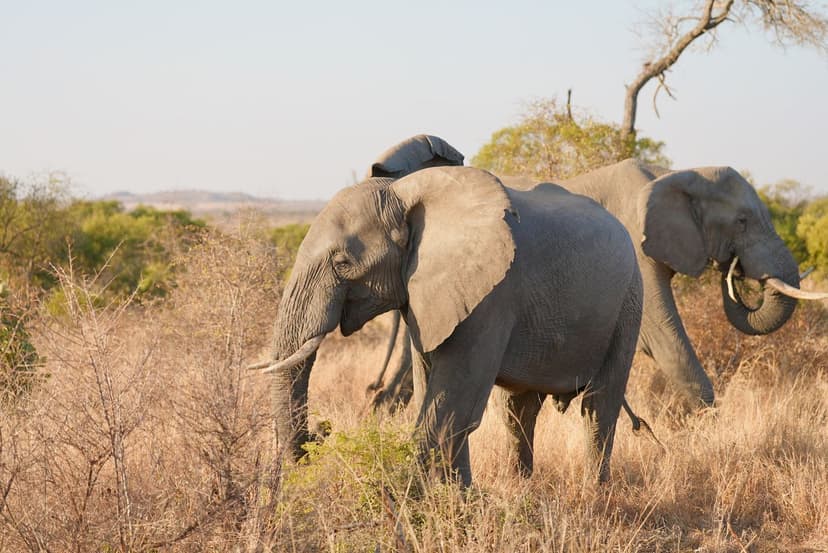
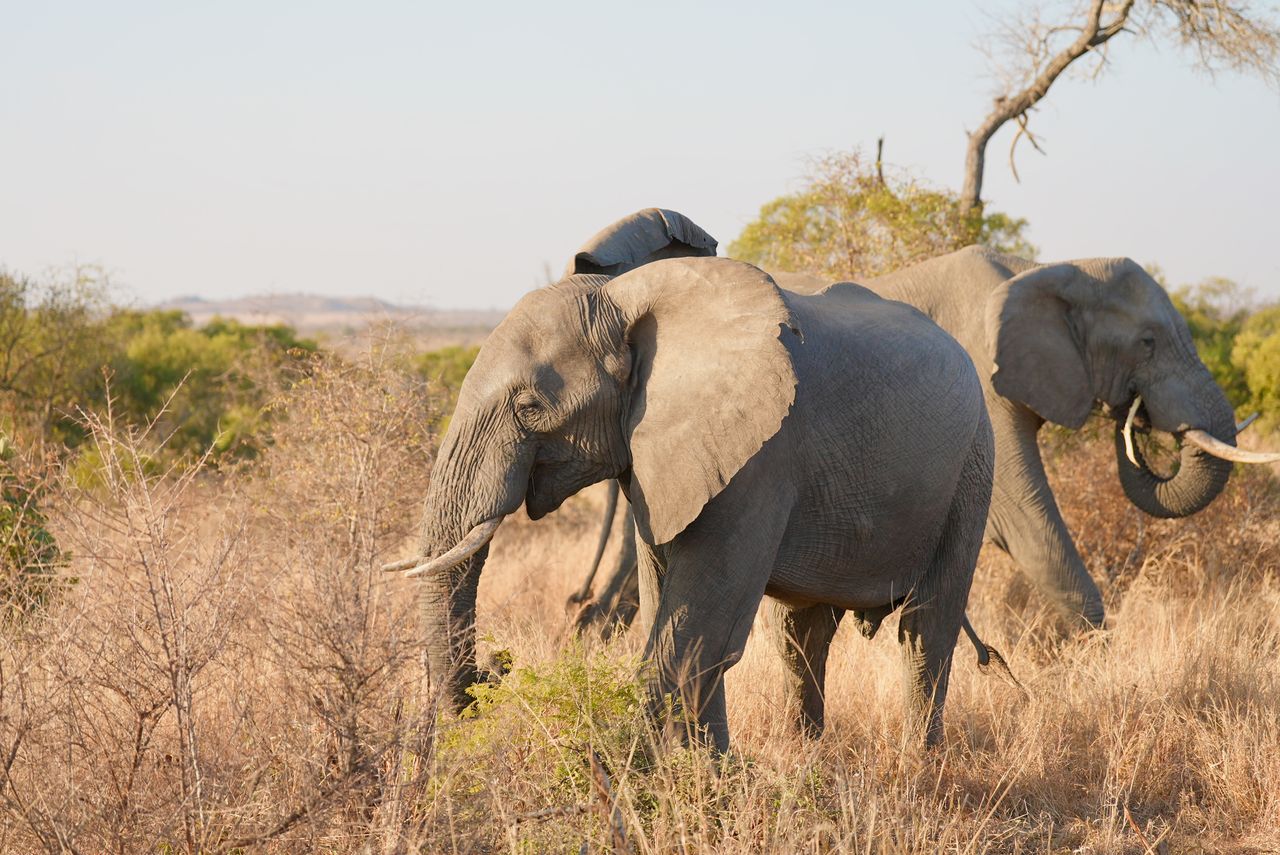
Pilanesberg's elephants are driven by water. An adult elephant can drink well over 150 liters a day, and in the dry season the park's water is concentrated in a handful of dams. Herds spend the cooler morning feeding in the bush and on the hillsides, then come down to drink, bathe and mud-wallow as the day heats up.
What the sightings show so far
Most confirmed elephant sightings logged by opspoor users in Pilanesberg fall between 08:00 and 14:00, split evenly between mid-morning (08:00 to 11:00) and midday (11:00 to 14:00). Early morning and afternoon sightings are much less common, and none so far have come in the last hours before the gates close.
That runs against the common advice that elephants are a dawn-and-dusk animal. In Pilanesberg, the midday drinking window at the dams looks like the most reliable time to find them, which fits exactly with how water-dependent elephants behave.
Where to wait
Mankwe Dam, the park's largest body of water, Tlou Dam ("tlou" is Setswana for elephant) and Makorwane Dam are the best places to spend the middle of the day. Fresh dung and snapped branches on the gravel roads are the signs to slow down for on the way.
See the live elephant sighting breakdown for Pilanesberg →
Lions
What drives their day
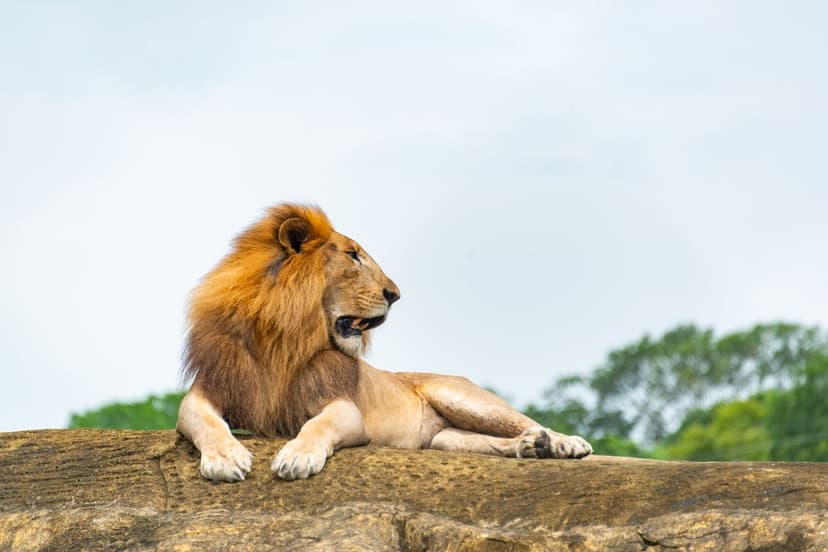
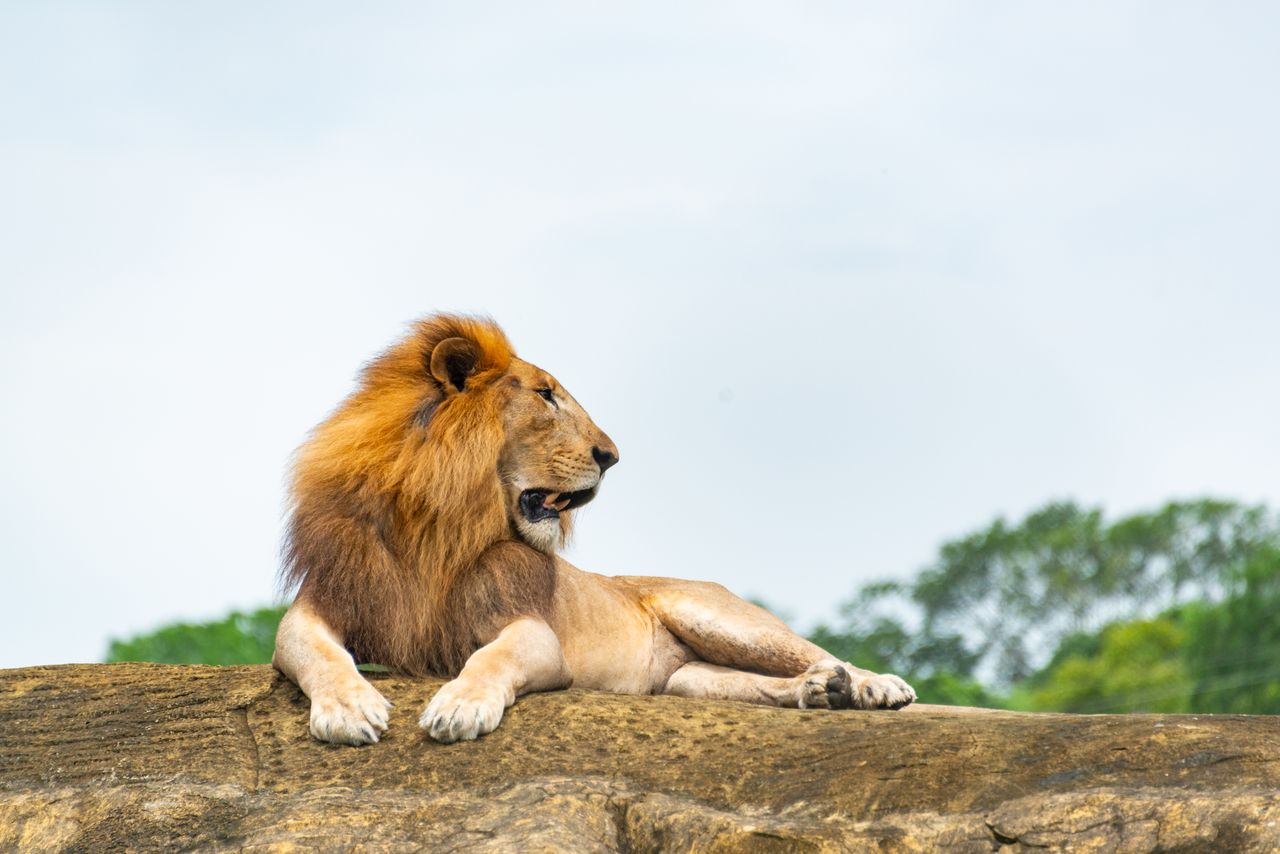
Lions sleep for most of the day, often 18 hours or more, and do most of their hunting at night and around dawn and dusk. In the first hour after the gates open, lions are often still active: walking along roads, calling, or finishing a kill. By mid-morning, they're usually flat out in the shade and very easy to drive past.
What the sightings show so far
Lion sightings logged on opspoor in Pilanesberg are spread right across the day: early morning, mid-morning, midday and evening, with mid-morning slightly ahead. It's a useful reminder that lions can turn up at any hour, especially when they're resting near a road or on a kill.
Where to look
Lions are often found on the open grassland of the central basin and the plains, where they have prey and good visibility. Look for the signs: a cluster of stopped cars, zebra or wildebeest standing still and staring in one direction, or vultures dropping into one spot.
See the live lion sighting breakdown for Pilanesberg →
Leopards
What drives their day
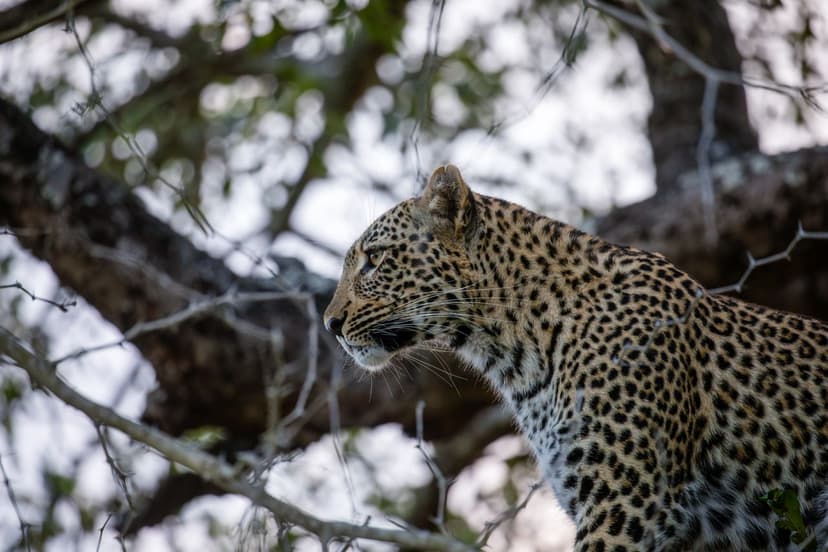
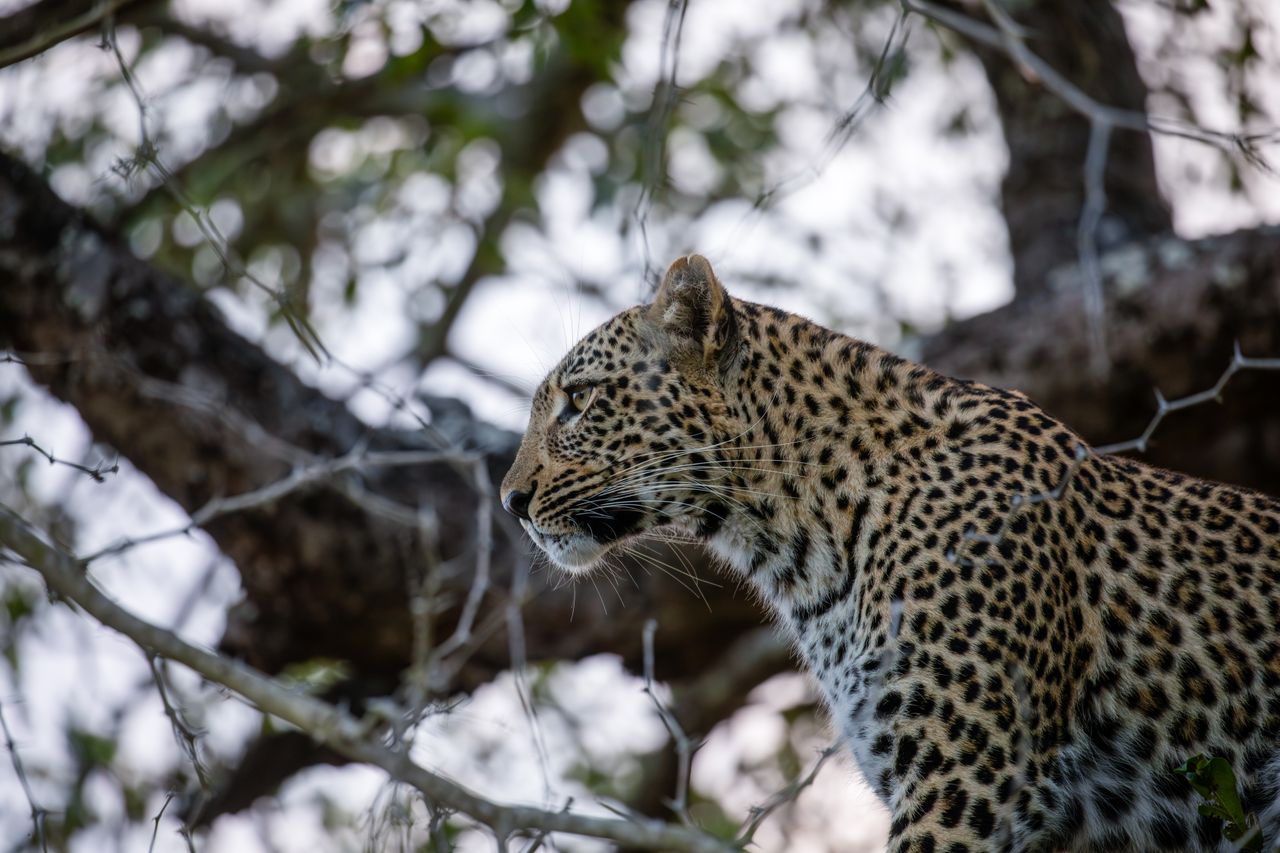
Leopards are mostly nocturnal and spend the day resting in cover: in trees, among rocks, or in dense bush along drainage lines. You're most likely to see one moving early in the morning or late in the afternoon, and most likely to find one resting if you scan trees and rocky outcrops carefully in between.
What the sightings show so far
Leopard sightings logged on opspoor in Pilanesberg cluster in two windows: the early morning (05:00 to 08:00) and the afternoon (14:00 to 17:00), with the occasional midday sighting. When we first wrote this post in August, sightings leaned toward the early morning; the afternoon has since caught up. Our reading today: early morning and afternoon are both worth your time, and the early morning is still where you have the best chance of a leopard on the move.
For a sense of what a Pilanesberg leopard sighting can look like, read how one opspoor user captured a leopard hunting an impala in Pilanesberg.
Where to look
Pilanesberg's rocky ring hills and wooded drainage lines are classic leopard habitat. Scan the tops of rocky outcrops and the larger trees along dry riverbeds, and listen for alarm-barking baboons and snorting impala. Our guide on how to spot a leopard on safari goes deeper into the techniques.
See the live leopard sighting breakdown for Pilanesberg →
Best time of year
Dry season (May to September)
The best time for all three. The grass is short, the bush is thin, and animals concentrate around permanent water. Hides like Rathlogo, Makorwane and Mankwe are at their best. Winter mornings are cold, sometimes close to freezing, so bring warm layers.
Wet season (November to March)
The park is green and beautiful, and the longer gate hours give you more time. Antelope lambs are born in early summer, so predators are active. But thicker vegetation makes animals harder to see, water is spread across the park, and elephants in particular are much less tied to the dams.
The shoulder months
October is hot, dry and often excellent, with animals still around the water and the first rains on the way. April is a good month for green landscapes with the bush beginning to thin.
A day plan built on all of this
Gate opening to 08:30: the gravel loops through open grassland for lions, and the rocky hills and drainage lines for leopards. Drive slowly.
08:30 to 11:00: sit at Rathlogo Hide with the morning sun behind you, or keep driving the quieter loops.
11:00 to 14:30: the elephant window. Mankwe Dam, Tlou Dam and Makorwane, with lunch at Fish Eagle Picnic Site over Mankwe.
14:30 to closing: back onto the gravel roads for leopards and lions waking up, finishing near your exit gate with time to spare.
For gates, roads and every hide in detail, read our Pilanesberg self-drive guide.
How to read these patterns
Every number in this post comes from a real sighting logged by someone in Pilanesberg at the time, and only sightings that other trackers confirmed or a reviewer approved are counted. Times are shown in park time (South African time), whatever time zone your phone is set to.
Patterns shift as new sightings come in, as the leopard pattern above did, so read them alongside what's known about each species rather than instead of it. The live park pages update automatically as more sightings come in, and read how opspoor's sighting data works for the full picture.
Frequently asked questions
What is the best time of day to see lions in Pilanesberg?
The first hour or two after the gates open, when lions are most likely to be active and moving. Late afternoon is the next best window.
What is the best time of day to see elephants in Pilanesberg?
Late morning to mid-afternoon, at the dams. Most opspoor elephant sightings in Pilanesberg so far were logged between 08:00 and 14:00.
When is the best time to see leopards in Pilanesberg?
Early morning and late afternoon. Leopards are mostly nocturnal, and these are the hours when you're most likely to see one on the move.
What is the best month to visit Pilanesberg?
The dry season, from May to September, is best for game viewing. September and October are often excellent, with animals concentrated around the water.
Can you see the Big Five in Pilanesberg in one day?
It's possible, and the park's small size helps, but it's never guaranteed. Elephant, rhino and buffalo are the most likely; lion takes searching; leopard takes luck and patience.
Help sharpen the picture
These patterns get sharper with every sighting. If you're heading to Pilanesberg, download opspoor and Log a Sighting whenever you find something, even with no signal: your sighting is saved on your phone and syncs when you're back in range. The next visitor gets a better answer because you did.
Gallery