
You Bought a New Lens. Here's How to Actually Find Something to Shoot.
A new telephoto lens doesn't fix the real problem beginner wildlife photographers have: not knowing where the animals are. Here's how to stop driving around hoping and start shooting.

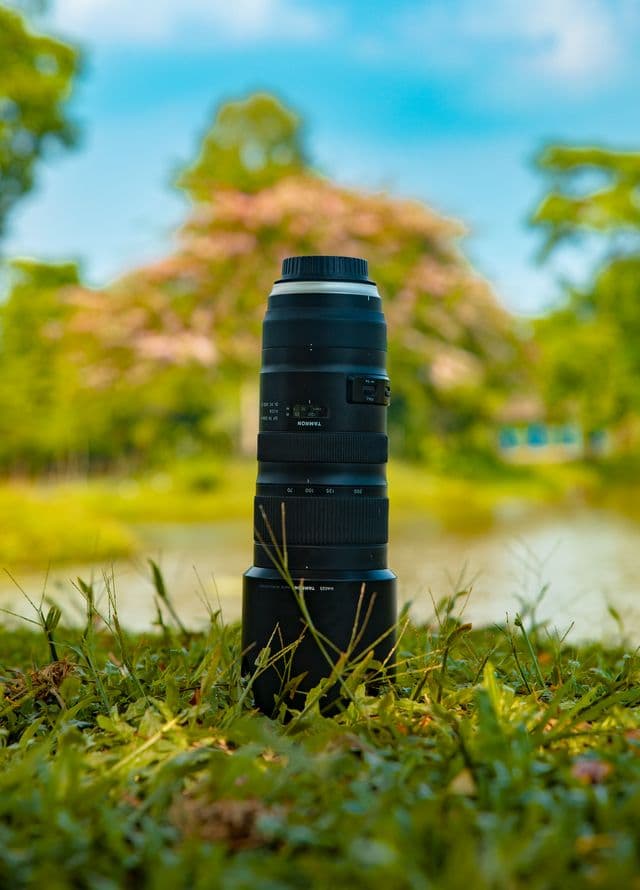
You did the research. You compared the 100-400mm against the 150-600mm, read forty reviews, waited for the sale. The lens is good. It might be the best piece of gear you own. And on your first trip out with it, you spend four hours seeing almost nothing worth pointing it at.
That's not a you problem. It's not even a gear problem. It's the problem nobody tells beginner wildlife photographers about before they buy: a longer lens doesn't help you find the animal. It only helps once the animal is already in front of you.
The gap between "I have the gear" and "I got the shot"
Most new wildlife photographers assume the hard part is technical: aperture, shutter speed, back-button focus, tracking a moving subject. Those things matter, but they're learnable in an afternoon of practice with anything that moves: a dog in a park, birds at a feeder.
The part that actually eats your trip is logistics: which road, which waterhole, which morning. Experienced photographers make it look effortless because they've built up years of pattern recognition: which junction usually has something crossing at dawn, which loop the pride favours after rain. A beginner with a brand-new lens has none of that, and a National Park is a lot of ground to cover on a guess.
Why "just drive around and hope" doesn't work
It's the default strategy because it's the only one available without local knowledge, and it's genuinely how most first-time visitors spend their trip. The problem is you're covering the park at the wrong resolution. Animals aren't spread evenly; sightings cluster hard around water, recent rain, and time of day. Driving randomly means you're statistically likely to be in the wrong 90% of the park at any given moment, lens ready for nothing.
Guides and rangers beat this by radioing each other. Regular visitors beat it by knowing the park. As a first-timer with a new lens, you have neither, unless you can see what other people have been spotting this morning.
What that actually looks like
This is the exact gap opspoor was built to close. Every sighting logged in the app (species, location, behaviour, direction of travel) goes onto a shared map, where other trackers nearby can confirm it. Instead of guessing which loop to drive, you can see where sightings are happening this morning, not where a guidebook says they happened last season.
For a beginner specifically, that changes the whole equation. It's the difference between hoping you stumble onto something and driving toward a confirmed leopard sighting from earlier that morning, giving you real time behind the viewfinder instead of hours behind the wheel. More time with an animal actually in frame is the fastest way to get comfortable with a new lens. You learn its focus behaviour, its minimum shooting distance, how it handles low light, by using it on real subjects, not by reading the manual in a parking lot.
opspoor's Photography Mode goes a step further for the days you can plan ahead: it layers live sun position and golden-hour timing onto the same map, so once you know where the animals are, you also know which direction to park so the light is behind you, not the animal.
Three things to actually do with your new lens this week
Practice the mechanics somewhere boring first. Garden birds, dogs at a park, anything that moves unpredictably. Get focus tracking and your camera's buttons into muscle memory before you're relying on them for a sighting you might not get again.
Check the sightings feed before you leave camp. A five-minute look at what's been confirmed nearby in the last few hours will do more for your odds than any amount of driving instinct on a first visit.
Let direction of travel decide where you park, not just where the sighting was. An animal logged ten minutes ago moving north isn't where the pin is anymore. It's further along its line of travel. Get ahead of it instead of chasing the pin.
The lens was never the hard part
It feels like the lens should be the answer. It's the thing you saved for, the thing that shows up in a box. But the real skill in wildlife photography, especially early on, is being in the right place when something happens. Everything else is trainable in a weekend. Knowing where to point the glass in the first place is what takes years to learn the old way, or one good sightings map to shortcut.
Gallery